KSL.com
'Mind reading'? Scientist turns mental images into text using AI technology - KSL.com
The Bottom Line
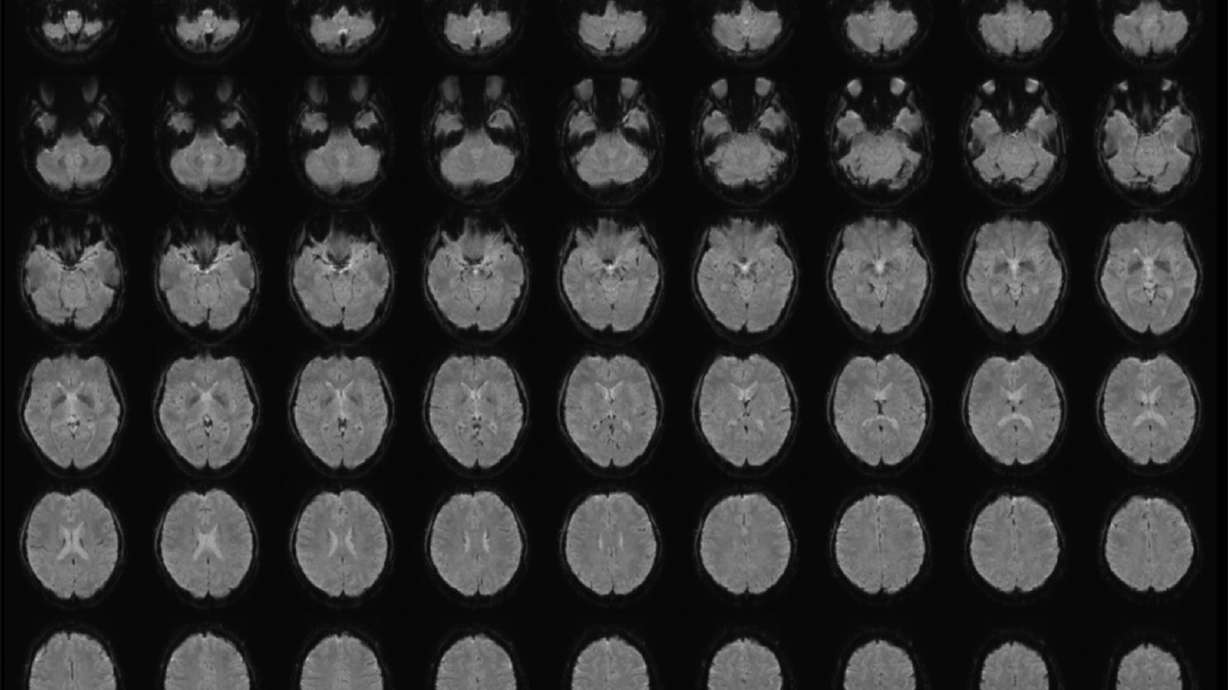
In a groundbreaking study led by Japanese scientist Tomoyasu Horikawa, a new technique called 'mind-captioning' has been created to convert mental images into descriptive text using artificial intelligence and brain scans. Published on November 5 in the journal Science Advances, this study marks significant progress in translating complex mental imagery into language, which has historically been challenging. The method involves analyzing the brain activity of participants as they watched a variety of video clips, allowing AI to generate sentences that describe visual details without relying on traditional language processing regions of the brain. This is particularly promising for individuals with communication disorders such as aphasia and amyotrophic lateral sclerosis (ALS), suggesting potential profound health interventions. However, the technology raises ethical concerns, particularly regarding mental privacy, as it could lead to unauthorized access to individuals' private thoughts. Experts call for strict regulations to protect neural data and ensure consent as neuroscience rapidly advances, emphasizing the importance of safeguarding mental privacy while exploring the clinical applications of this technology.
Patient Takeaways
- Stay informed about emerging technologies like 'mind-captioning', which could potentially aid in communication for those with disorders such as aphasia or ALS.
- Discuss any concerns about mental privacy and ethical implications of new neuroscience technologies with your healthcare provider to ensure your rights and confidentiality are protected.
Information Source
This is a summary of an article from a third-party source. For the full context and original research, please read the full article.
Read Full Article at KSL.comFind a Relevant Specialist
Looking for a specialist to discuss this topic? Use our directory to find a verified provider near you.