ScienceAlert
Scientists Trace Lupus to One of The World's Most Common Viruses - ScienceAlert
The Bottom Line
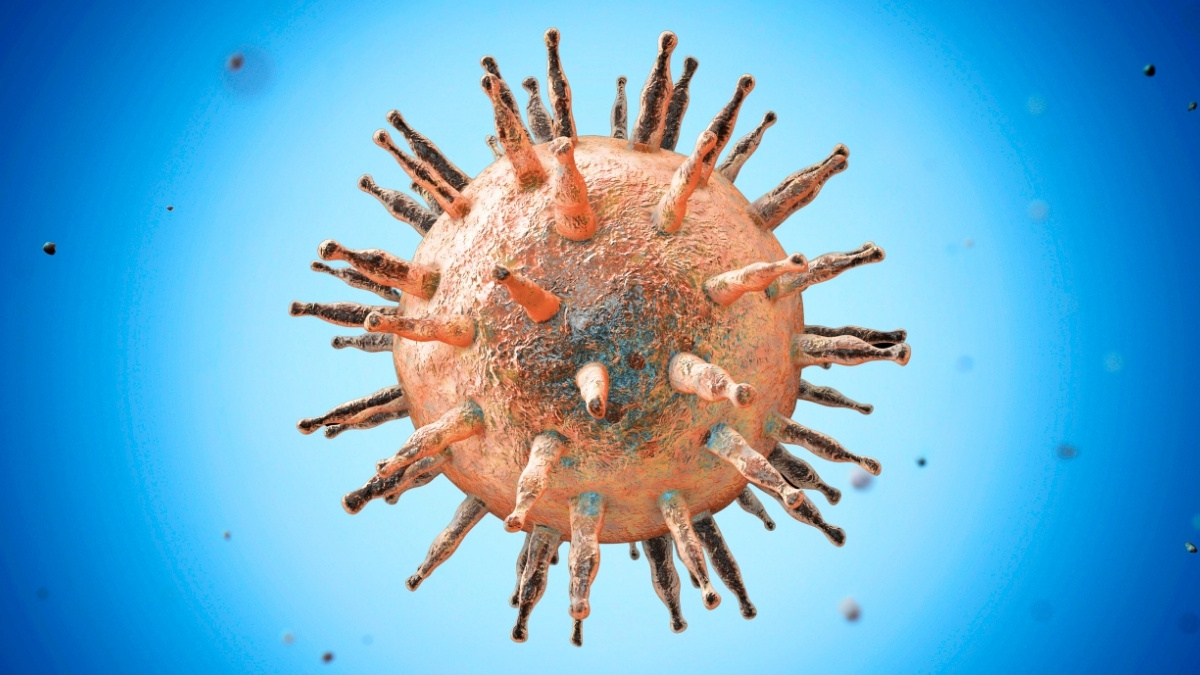
Recent research led by Stanford University scientists suggests that the Epstein-Barr virus (EBV), a common pathogen known for causing mononucleosis, might be responsible for nearly all cases of lupus, a chronic autoimmune disease. The study found that individuals with lupus have significantly higher rates of EBV-infected B cells, especially memory B cells, compared to healthy individuals. This deep infection may activate pro-inflammatory genes in these immune cells, potentially triggering the disease's debilitating symptoms. Despite the historical acknowledgment of lupus dating back to 850 CE, the exact cause has remained elusive, with various factors like genetics and hormonal issues previously implicated. The new findings offer a compelling unifying theory with viral origins, which could shed light on why individuals with EBV do not always develop lupus. Additionally, this research might have implications for other autoimmune diseases associated with EBV. The study presents a promising avenue for understanding lupus's pathology and could pave the way for targeted treatments focusing on the immune responses induced by EBV.
Patient Takeaways
- If you have lupus or are at risk, discuss with your healthcare provider about the potential role of Epstein-Barr virus (EBV) in your condition.
- Stay informed about new research on lupus, as developments may lead to targeted treatments that could improve your health management.
Information Source
This is a summary of an article from a third-party source. For the full context and original research, please read the full article.
Read Full Article at ScienceAlertFind a Relevant Specialist
Looking for a specialist to discuss this topic? Use our directory to find a verified provider near you.
More from ScienceAlert
Children With Autism, ADHD, And Anorexia Share a Common Microbe Imbalance - ScienceAlert
Nov 18, 2025
Stress-Sensitive Neurons May Have a Powerful Effect on Our Entire Brain - ScienceAlert
Nov 18, 2025
One of Our Biggest Hopes For Alzheimer's Treatment Doesn't Seem to Work - ScienceAlert
Nov 15, 2025