Ars Technica
Tiny chips hitch a ride on immune cells to sites of inflammation - Ars Technica
The Bottom Line
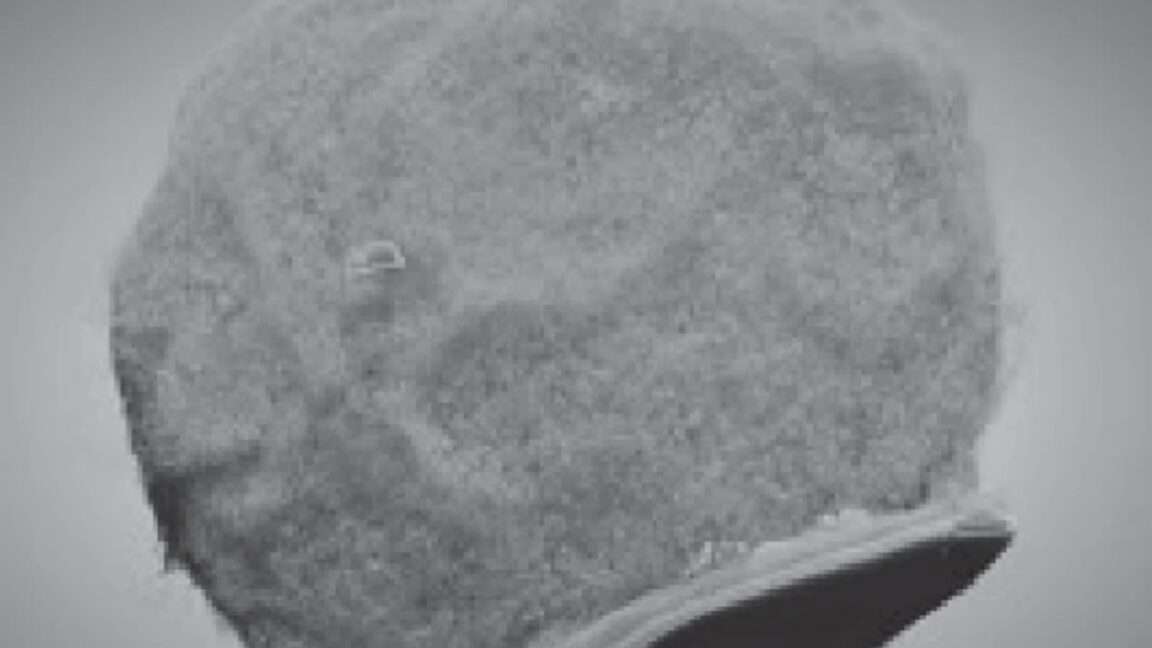
In a groundbreaking advancement, a team at MIT, led by Deblina Sarkar, has created microscopic electronic devices that can be hybridized with living immune cells, allowing them to be injected into the bloodstream and navigate to targeted brain areas. This innovation addresses longstanding challenges in neurological treatments, such as the size of functional electronic devices, the difficulty of maneuvering them through the complex vascular system, and the ability to cross the blood-brain barrier. The biocompatible devices, powered by infrared light, can attach to monocytes, immune cells that naturally target inflammation, effectively delivering the technology to the brain without the need for invasive surgery. Initial experiments conducted on mice showed that these hybrids successfully reached their intended locations in the brain and activated neurons, demonstrating a similar response to traditional implanted electrodes. Looking ahead, Sarkar's technology, named
Patient Takeaways
- Microscopic electronic devices hybridized with immune cells may provide new, non-invasive treatment options for neurological conditions in the future.
- These devices can potentially navigate to specific areas of the brain, targeting inflammation without requiring surgery.
- Stay informed about advancements in neurological therapies that use biocompatible technology for safe and effective treatment options.
Information Source
This is a summary of an article from a third-party source. For the full context and original research, please read the full article.
Read Full Article at Ars TechnicaFind a Relevant Specialist
Looking for a specialist to discuss this topic? Use our directory to find a verified provider near you.