World Health Organization
WHO launches global guidelines on diabetes during pregnancy on World Diabetes Day - World Health Organization (WHO)
The Bottom Line
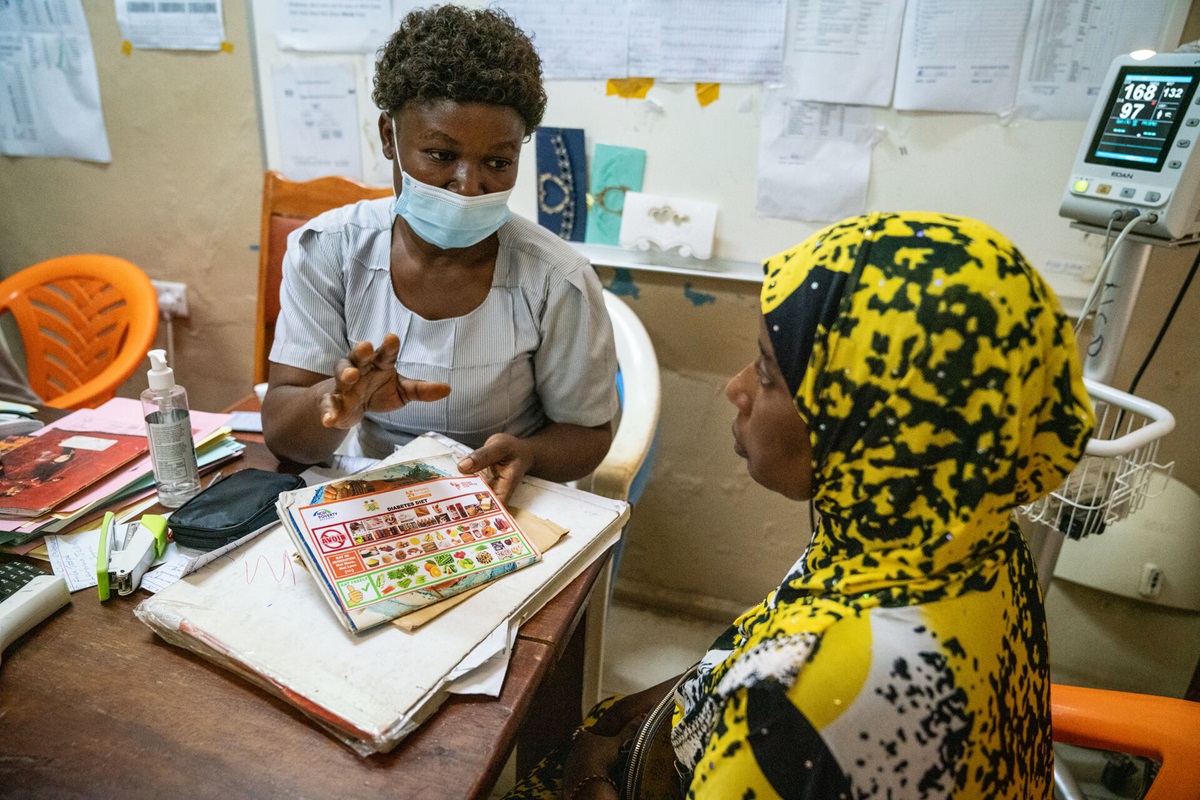
On World Diabetes Day 2025, the World Health Organization (WHO) introduced its inaugural global guidelines for managing diabetes during pregnancy, a condition that impacts about one in six pregnancies, with an estimated 21 million women affected each year. These comprehensive guidelines aim to mitigate serious complications for mothers and their children, as uncontrolled diabetes during pregnancy elevates the risks of life-threatening conditions including pre-eclampsia and stillbirth. The WHO emphasizes the guidelines' significance, particularly in low- and middle-income countries, where access to specialized care is often limited. Dr. Tedros Adhanom Ghebreyesus, WHO Director-General, highlighted that these guidelines are designed to reflect the realities of women’s health needs, providing evidence-based strategies for high-quality care. The 27 key recommendations focus on personalized care, regular monitoring of blood glucose levels, tailored treatment plans, and the importance of multidisciplinary support for women with pre-existing diabetes. Additionally, the guidelines promote integrating diabetes management into routine antenatal services to improve maternal health and address the rising prevalence of diabetes globally. With diabetes being a leading cause of various health issues, the WHO’s commitment to a life-course approach aims to ensure equitable access to essential care for all individuals, emphasizing the urgency of addressing this fast-growing health challenge across all life stages.
Patient Takeaways
- If you're pregnant and have diabetes, ensure regular monitoring of your blood glucose levels during visits and at home.
- Discuss personalized treatment options with your healthcare provider, including dietary and physical activity recommendations.
- Seek multidisciplinary care if you have pre-existing diabetes to manage the condition effectively during pregnancy.
- Understand that these guidelines are designed to provide you with evidence-based strategies for better health outcomes for you and your baby.
Information Source
This is a summary of an article from a third-party source. For the full context and original research, please read the full article.
Read Full Article at World Health OrganizationFind a Relevant Specialist
Looking for a specialist to discuss this topic? Use our directory to find a verified provider near you.